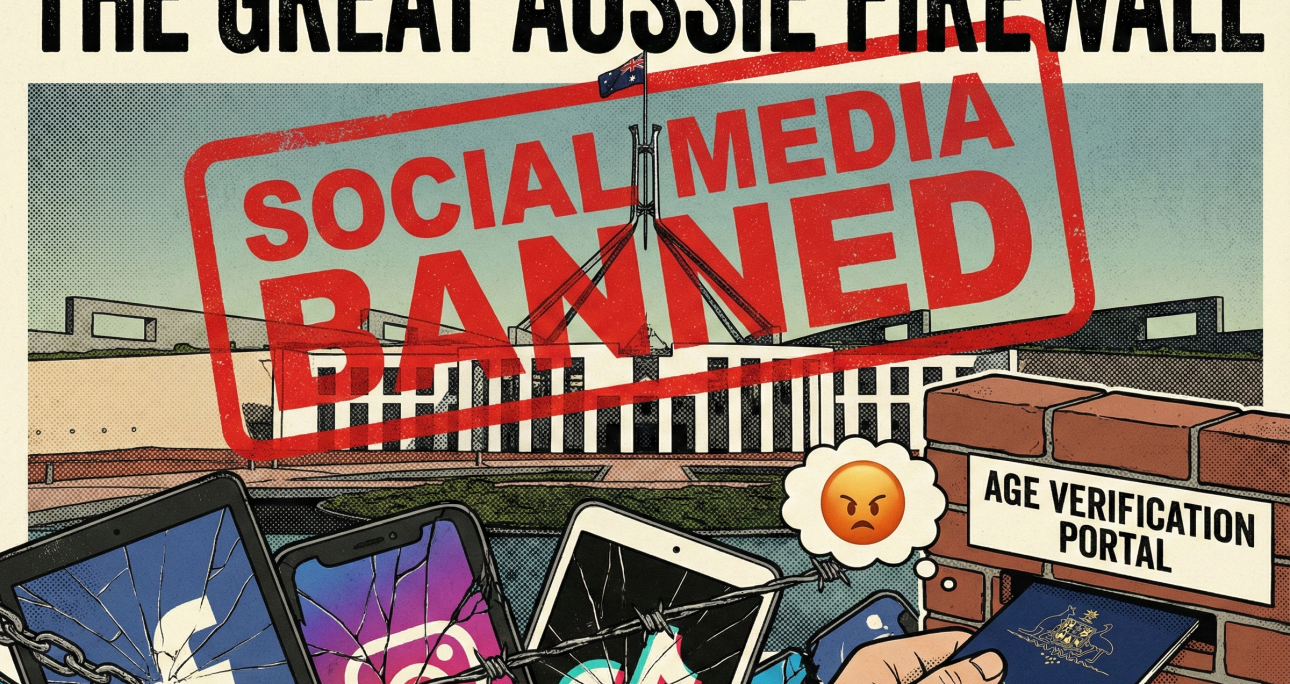
The Nanny State Strikes Again. The official wants your newly minted Digital ID to “protect the children,” proving once again that politicians have never met a teenager with a VPN.
#Truth Hurts
It is a truth universally acknowledged that an Australian politician in possession of a declining approval rating must be in want of a “Save the Children” internet ban.
Recently, the federal government decided that the internet—a vast, chaotic global network—can be tamed by asking politely for your driver’s license. The Online Safety Amendment officially kicked in on December 10, and it is exactly as technologically illiterate as you’d expect from the people who brought you Robodebt.

1. The “Honey Pot” of Your Nightmares
The logic is simple: to stop 14-year-olds from seeing things they shouldn’t, every adult in Australia must now upload sensitive ID documents to third-party verification services.
Do you remember the Optus leak? The Medibank hack? Of course you do. Your data is already on the dark web. But sure, let’s go ahead and give a random tech contractor a high-res scan of your passport just so you can use Reddit.
Trials run by the government last year already showed that facial scanning tech is flawed and easily bypassed. The Human Rights Commission warned explicitly against this, calling it a massive invasion of privacy. Naturally, Canberra ignored them.
“It’s the digital equivalent of requiring a background check to buy a coffee, just in case you might spill it on a minor.”
2. Teenagers Are Smarter Than Parliament
Here is the funniest part: This won’t work.
Any Australian teenager worth their salt already knows how to use a VPN. They are currently routing their traffic through Sweden. The only people this law will actually stop are 65-year-old grandpas who can’t figure out why their iPad isn’t working.
It’s the exact same energy as the botched “War on Vaping.” When the TGA introduced those joyless new product standards last July, did people stop? No. The trends just shifted.
Instead of regulated safety, the search volume for “bulk disposable vapes Australia” skyrocketed. That’s not a success story; that’s a policy failure. By removing the legal options, they didn’t end the market—they just forced everyday people to act like smugglers.
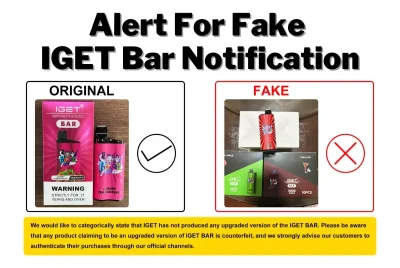
We saw the same thing with hardware. People used to search for reviews to find a safe IGET Bar Plus alternative. Now? They just grab whatever mystery tube is available at the under-counter market. This age verification law will do the exact same thing to the internet.

3. The Death of Honest Information
The internet was built on the beautiful, chaotic idea that you could be anyone. Now, Canberra wants to attach your real name to your search history.
This creates a vacuum of trust. Just look at how hard it is to find a genuine best vape flavours review these days. The legitimate voices have been silenced by regulations, leaving only spam bots and scams. If social media follows the same path, good luck finding honest discourse about anything.
Even the business side is messy. We hear from confused retailers daily who say the phrase “vape wholesale Australia” has become a minefield of compliance traps and grey-market hustlers. That is the future of your internet experience: confusing, risky, and slightly illegal.
4. What Happens Next?
Expect a class-action lawsuit when the first “secure” age-verification database gets hacked. Expect millions of Australians to suddenly “move” to Iceland (digitally speaking). And expect the government to declare victory while absolutely nothing changes in the real world.
FAQ: The New Digital Wild West
Don’t Gamble with Your Lungs
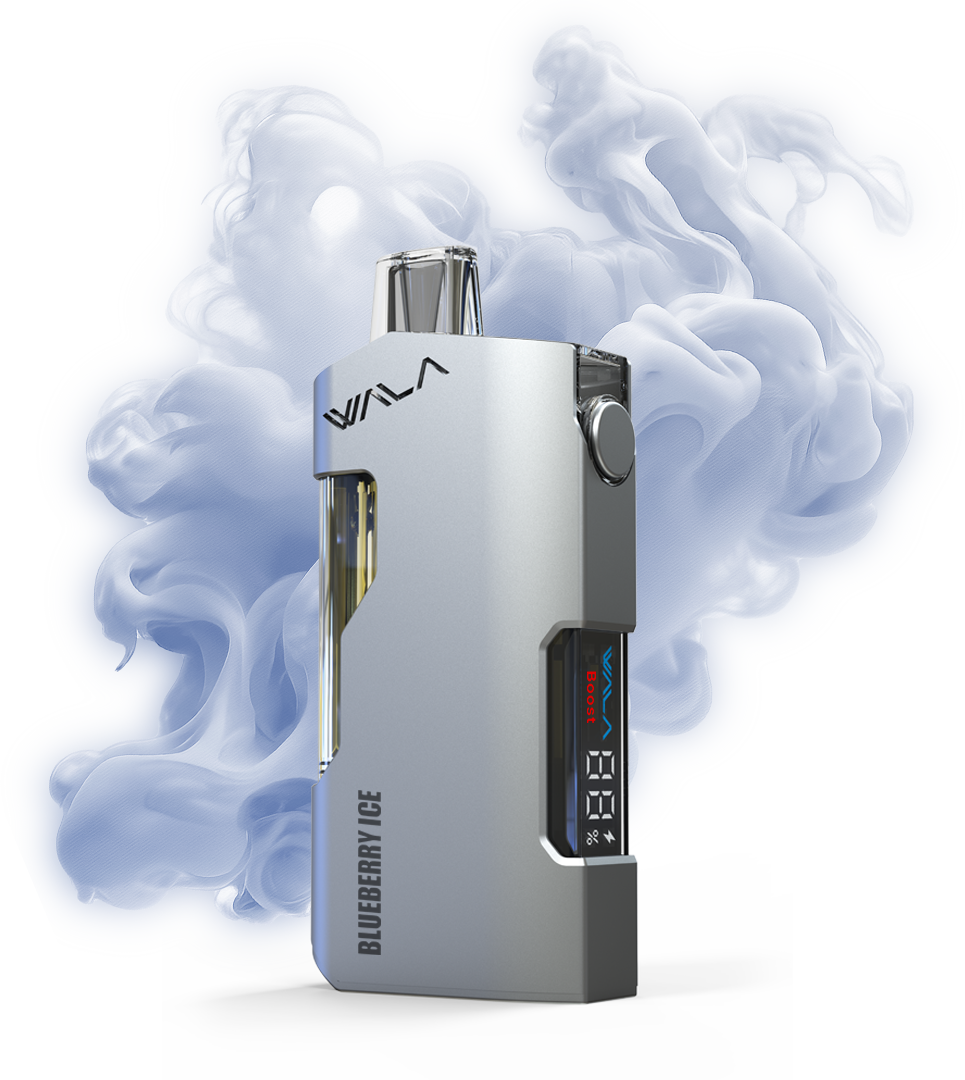
In these chaotic times, authenticity is everything. If you have legit stock, treat it like gold.

Disclaimer: Content for informational purposes only. We do not encourage illegal acts. Stay safe out there.